
Worm infestation in pastures
If you want to graze your horse safely, it is important to remain vigilant about worm infestations. Good pasture management can help prevent them.
What is a worm infestation in a horse pasture?
Horses can become infected with worms while grazing by ingesting larvae present on the pasture. These larvae hatch from eggs that are deposited in the pasture through manure. Regular deworming helps protect horses against worm infestations, but good pasture management is at least as important.
What is good pasture management?
To help protect your horses against worm infestations, the following pasture management practices are recommended:
- Rotate grazing regularly, preferably in combination with sheep. Sheep can ingest the larvae and eggs without becoming ill themselves.
- Regular pasture harrowing helps reduce the infection pressure. Eggs and larvae exposed to sunlight will die.
- Topping or mowing paddocks regularly.
- Remove manure from the pasture on a regular basis.
New grassland breaks the tapeworm cycle
Tapeworm infections are more common on older grassland. This is because tapeworms are transmitted by the oribatid mite, which occurs more frequently in older and salinised grassland fields. If you want to break the tapeworm cycle, ploughing the soil and reseeding the pasture is the best option. Horses should also be treated to prevent the field from becoming reinfected.
Horse Master. Healthy grass for horses
Horse Master is a pasture mixture specially tailored to the needs of horses. It contains grass varieties with a low growing point, enabling rapid regrowth after grazing or mowing. The varieties in Horse Master have also been selected for their low fructan content. The RPR technology in Horse Master creates a natural network of roots with horizontal stolons. This results in a very dense and durable sward that can withstand intensive hoof traffic.
Healthy forage for horses

Hay Master
-
Fresh and tasty hay for your horse, cows or small livestock
-
High roughage production
-
Excellent drought resistance
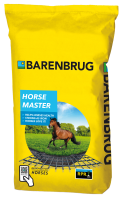
Horse Master
-
Plenty of grass for grazing
-
Highly resistant turf with RPR technology
-
Good regrowth